
Pack Light, Swing Right: Portable Golf Practice Anywhere

On this page we dive into travel-ready golf training kits for hotel rooms and on-the-go practice, showing how a suitcase-sized setup can sharpen putting, tempo, and contact between flights. Expect practical packing tips, noise-friendly drills, tech advice, and real traveler stories that keep your swing confident when schedules are chaotic.

Mat and Alignment Without the Bulk

Choose a thin, rollable mat with consistent roll speed and clear start-line markings. Add a palm-sized mirror to verify eye line and shoulder tilt. A foldable putting gate or two simple coins create instant start-line challenges. Keep lengths under thirty-six inches rolled so everything slides into a backpack sleeve or suitcase lid without creasing.

Quiet Gear for Thin Walls and Late Nights

Swap real balls for foam or airflow designs to tame impact noise. Use a short, weighted trainer instead of a full club to avoid ceiling and wall collisions. A towel under the mat dampens vibration on laminate floors. If you chip indoors, land onto a folded blanket target and collect misses with a laundry basket.

Carry-On Compliance and Smart Packing

Security screening is smoother when metal stakes, large tees, or spike tools stay at home. Pack longer items diagonally across the suitcase, and strap the mat with elastic bands to prevent curling. Keep electronics and batteries accessible for inspection. A zip pouch labeled drills, chargers, and sensors speeds hotel unpacking and encourages consistent use.

Start-Line Mastery with Simple Gates

Set two coins just wider than your ball, twelve inches ahead. Roll ten putts through the channel, prioritizing quiet wrists and square face at impact. Track makes in your notes. Increase pressure by shrinking the gate or adding a second gate at twenty-four inches. This builds trust when hotel carpeting varies and nerves spike.

Towel Strikes for Crisp Wedge Contact

Lay a towel six inches behind the ball to punish fat contact safely. Make waist-high chip swings, brushing the carpet before the towel and striking the ball cleanly. Count consecutive clean contacts. Progress to different ball positions and lower trajectories. This humble setup refines low-point control without noise, divots, or anxious knocks from next door.

Pocket Tech to Measure, Motivate, and Improve

Smartphones, compact launch monitors, and wearables transform small spaces into data-rich practice zones. Slow-motion reveals face angles and shaft pitch. Pocket monitors estimate carry and spin with foam balls when space is minimal. Watches coach tempo and breathing. With focused metrics and gentle accountability, you turn jet-lagged minutes into meaningful progress you can actually trust.

Phone Slow‑Mo Settings That Reveal Truth

Film from face-on and down-the-line at one hundred twenty frames per second if available. Stabilize the phone against a water bottle or windowsill. Mark shaft lines with tape on the mirror. Compare checkpoints at hip-high and top. Keep a three-clip limit per session to prevent rabbit holes and maintain productive, repeatable feedback loops.

Mini Launch Monitors in Tight Spaces

Units like Mevo or R10 can estimate key numbers indoors with foam or limited-flight balls. Place the device precisely per manufacturer guidance, and use a short swing length to protect ceilings. Track only two metrics—carry and club speed—to avoid overload. Log a baseline day one, then chase small, sustainable gains throughout the trip.

Wearables and Rhythm Feedback Anywhere

Tempo trainers and watches cue a three-to-one backswing-to-downswing ratio using soft haptics or audio beats. Pair that with breathing prompts for smoother starts. Set short session goals, like five minutes at target tempo with clean contact. This subtle, consistent rhythm work travels easily and steadies nerves on unfamiliar greens or rushed tee times.

Mobility and Recovery When Travel Stiffens Everything

Red-eye flights and conference chairs tighten hips, thoracic spine, and forearms, sabotaging contact and speed. A compact routine using a mini band, lacrosse ball, and hotel towel restores rotation and extension without a gym. Layer in hydration, light walks, and strategic breathing to reclaim energy. You will feel more athletic before the first practice stroke.

Five-Minute Flow Before First Swing

Run cat-camel on the carpet, half-kneeling hip flexor stretch with glute squeeze, thoracic rotations against the wall, band pull-aparts, and ankle rocks. Keep breathing through the nose and exhale long to unlock ribcage motion. This quick sequence reduces early sway, encourages centered pivot, and primes wrists for gentle hinge without stress on cranky joints.

Beat Jet Lag for Better Contact

Anchor sleep with a consistent wake time, morning light within an hour, and caffeine cutoff eight hours before bedtime. Hydrate steadily with electrolytes, prioritize protein-forward meals, and keep evening practice low intensity. Two minutes of slow nasal breathing downshifts the nervous system, allowing smoother tempo and superior face control the very next morning.

Pain-Safe Volume Rules That Protect Progress

Use a simple rating: if discomfort rises above three out of ten, reduce volume or switch drills. Keep first sessions short after flights, emphasizing positions over power. Alternate focused putting with gentle mobility. Progress by tiny, consistent increments. Sustainable practice beats heroic burnout, especially when hotel carpets and deadlines demand smarter, quieter effort.

A Travel Micro-Program You Can Stick To
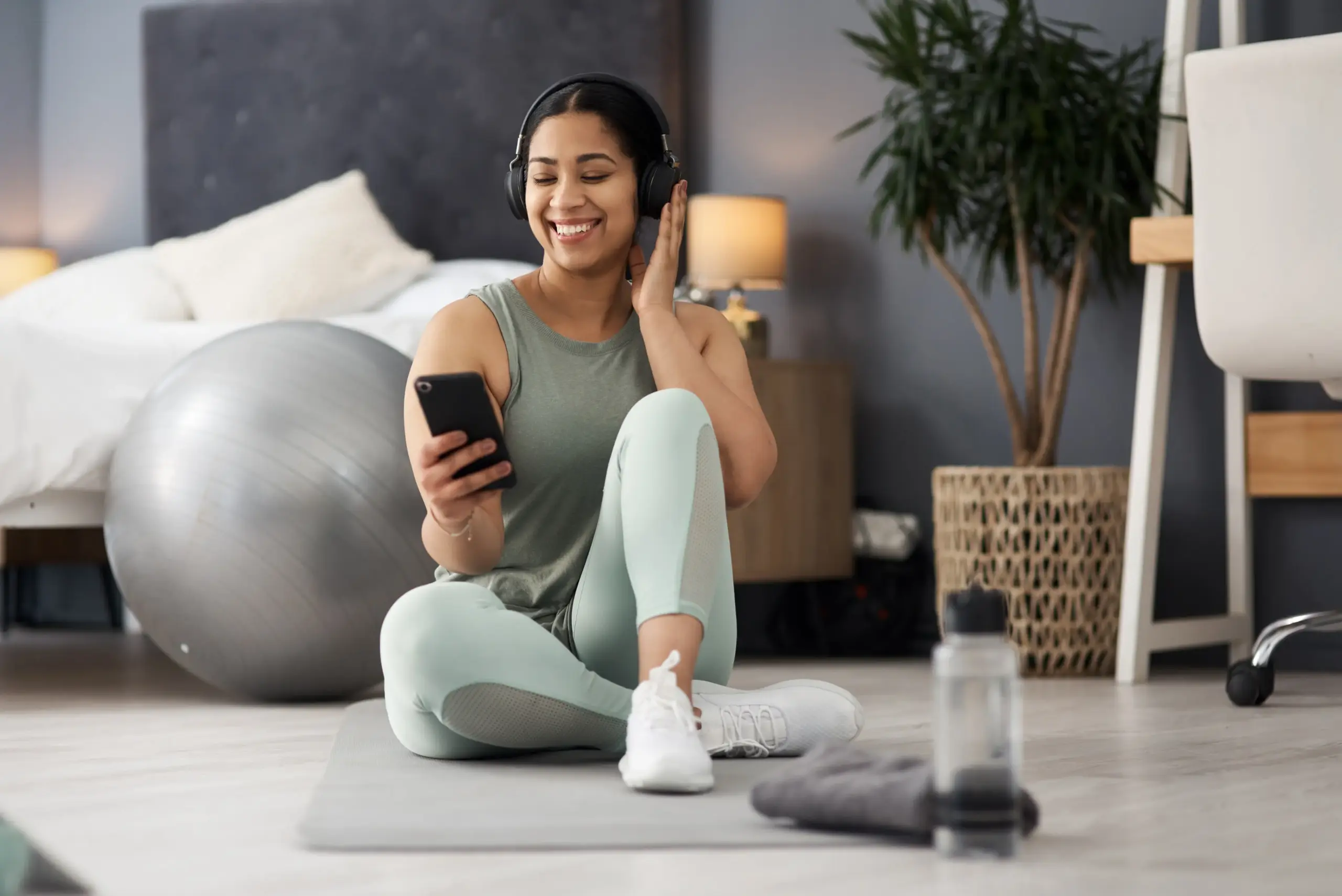
Structure turns good intentions into reliable routines. Build a three-pillar plan: start-line, tempo, and contact. Rotate emphasis daily, keep sessions under twenty minutes, and record two quick metrics. Pack accountability tools—a tiny logbook and a phone checklist. Consistency, not intensity, ensures skills survive changing time zones, surprise meetings, and unpredictable hotel layouts.

Stories, Wins, and Lessons from the Road

Real travelers prove portable practice works. A sales rep dropped four strokes in a quarter using only a mat, mirror, and foam balls. A new parent kept touch alive during nap windows. Share your favorite drill, subscribe for weekly travel setups, and reply with photos of your kit so others can learn alongside you.
Vigenality
Privacy Overview

This website uses cookies so that we can provide you with the best user experience possible. Cookie information is stored in your browser and performs functions such as recognising you when you return to our website and helping our team to understand which sections of the website you find most interesting and useful.