



Practice That Fits Your Life: Compact Golf Trainers Under $100

Join us as we explore budget space‑saving golf trainers: portable options under $100 that turn cramped apartments, offices, and hotel rooms into productive practice zones. Expect honest guidance on what truly builds skill, what merely entertains, and how tiny footprints, quick setups, and smart feedback help you groove consistent putting, chipping, and swing mechanics. We’ll mix field‑tested picks, creative hacks, and small‑space layouts with relatable stories from everyday players who improved without a garage or giant budget, so you can start strong today.

Choosing Compact Gear That Actually Works

Not every inexpensive gadget moves the needle, even when reviews sparkle or videos look slick. Focus on feedback you can feel and measure, small footprints that deploy quickly, and construction that survives daily reps. We’ll unpack what under‑$100 gear can and can’t teach, how to prioritize fundamentals, and which red flags—like vague instant‑fix promises or noisy gimmicks—often predict disappointment, so your limited space and minutes translate into sustainable, course‑ready improvement you can trust.

Feedback That Teaches, Not Just Entertains

Seek tools that reveal face angle, path, start line, or tempo without complicated sensors. Impact bags, putting gates, chalk marks on foam balls, and simple swing‑path guides provide immediate, repeatable signals you can understand in seconds. I watched a beginner shave three putts per round after two weeks with a gate and start‑line board because every roll offered honest feedback, building confidence and a quieter mind when it mattered most.

Footprint, Storage, and Setup Time

If a trainer takes longer than two minutes to set up, it will gather dust. Favor folding chipping nets, roll‑out putting mats with clear alignment, and compact path guides that slide under a bed or desk. In a studio apartment, reducing friction means practice actually happens nightly. Your space stays tidy, your routine stays reliable, and your mechanics improve without negotiating with clutter, roommates, or your own motivation every single time.
Portability for Real Life

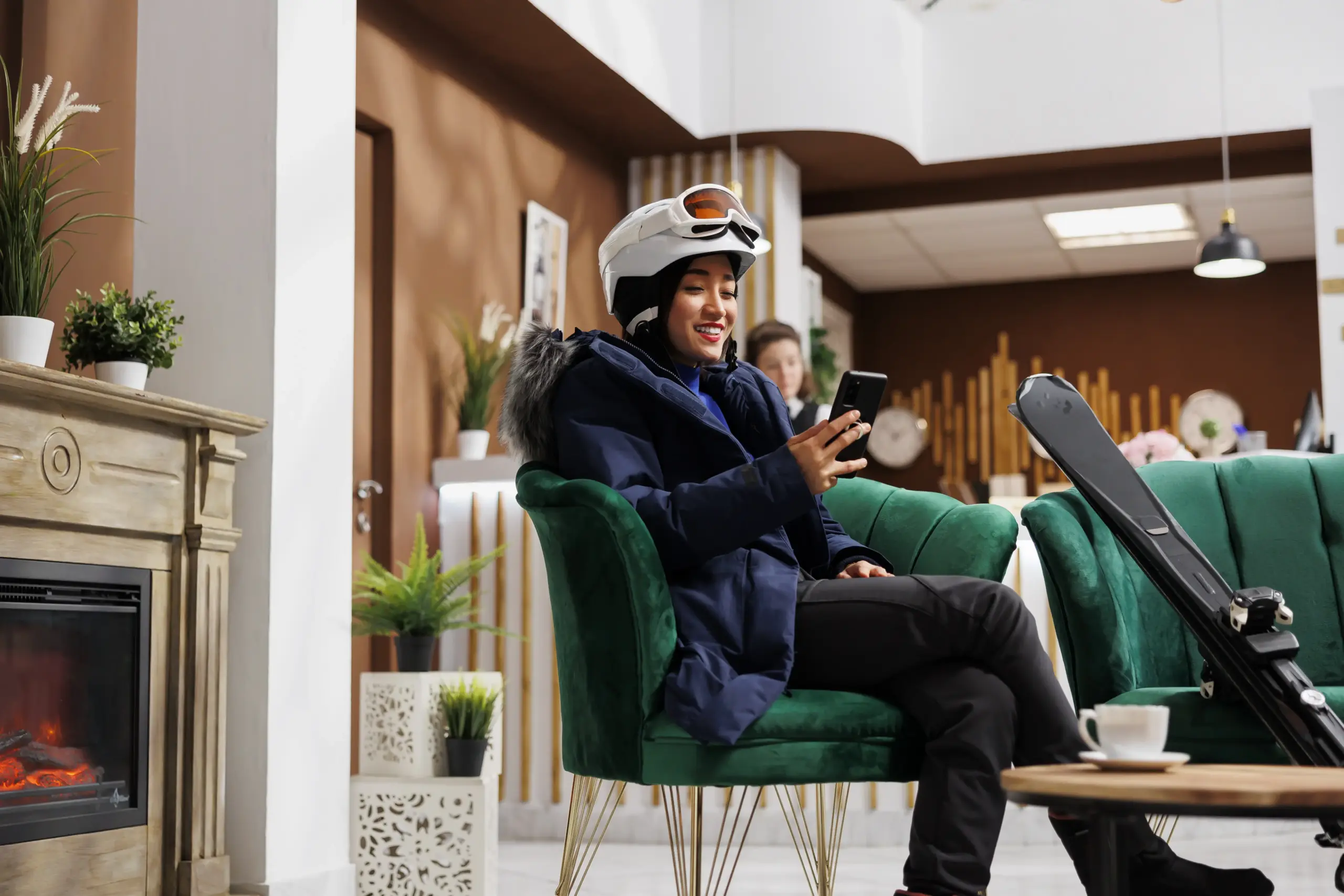
Choose kits that fit a backpack, weigh little, and tolerate daily travel. Commuters can run five‑minute putting ladders between meetings, while travelers chip foam balls into a micro‑net after dinner. A small drawstring bag with gates, alignment sticks, and a foldable target turns idle minutes into deliberate reps. Portability keeps practice alive during busy weeks, protecting momentum when schedules, weather, or access to a range inevitably shift.

Tiny Spaces, Smart Layouts

Thoughtful layouts transform tight rooms into safe, productive practice zones. Use wall angles to catch misses, soft‑impact balls to protect neighbors, and mats that protect floors while mapping alignment. We’ll outline living rooms, hallways, balconies, and office corners, explaining lighting and camera placement too. These small adjustments reduce ricochet risk and distraction, helping you stay focused, measure progress, and end every session with the room as neat as it began.

Under‑$100 Favorites by Category

You can assemble a surprisingly complete toolkit at this price. Expect solid putting mats with alignment lines, simple gates, foldable chipping nets, alignment sticks, impact bags, and swing‑path guides. While materials aren’t premium, they deliver meaningful feedback when paired thoughtfully. We’ll explain what to expect from durability, which accessories stretch value, and how to mix items so your limited budget still targets start line, distance control, contact, and sequencing effectively.

Putting Mats and Gates

Look for true‑rolling mats with visible start lines and distance markers, paired with a small gate to verify face control. Avoid return tracks that mask speed control; instead, vary targets to train pace. A coin mid‑path and a scorecard for three‑in‑a‑row creates gentle pressure. On carpet, place a plywood board or yoga mat underneath to stabilize roll, protecting the integrity of your start‑line feedback session after session.

Chipping Nets and Targets

Foldable nets pack flat yet provide valuable landing‑spot training. Mark three zones—short, middle, long—and rotate wedges or lofted clubs if space allows, otherwise keep one club and vary trajectory with ball position. Use foam balls indoors and soft flight balls on balconies. In windy conditions, anchor the base with water bottles. Players often save two strokes by improving contact and carry distance consistency through short, focused circuits.

Swing Path Guides and Tempo Tools

Alignment sticks, doorway guides, and low‑cost plane trainers build path awareness without sensors. Add a metronome app to groove a reliable cadence, then finish with a few reps using a light weighted attachment for feel. Film from down‑the‑line and face‑on weekly to track checkpoints. While these tools won’t overhaul mechanics overnight, they reinforce sequencing, reduce over‑the‑top moves, and make on‑course rehearsals more automatic.

Drills That Deliver Big Gains

Turn tools into progress with structured sessions that fit real life. Combine warm‑ups, measurable skills, and pressure finishers, then log your best streaks. Focused, repeatable drills sharpen start line, distance control, low‑point management, and tempo without requiring a range. Expect twenty to thirty minutes, four or five days a week, to show noticeable confidence on short putts, greenside touch, and first‑tee swing rhythm.

20‑Minute Putting Ladder with Pressure Finish

Roll three balls from three, six, and nine feet, progressing only after making two of three. Place a gate near impact to demand square face, then finish with a pressure station: make three in a row from six feet or restart the ladder. Record best streaks, note misses left or right, and adjust start‑line cues accordingly. Short, measurable pressure builds poise that survives nerves on real greens.

Chip, Bump, and Pitch Circuit

Assign three landing zones in your net: low, mid, and high trajectories. Hit five reps per window using one club, shifting ball position and shaft lean to control flight and run. Track how many finish within each target, then switch to an up‑and‑down challenge: one chip, one putt, score par or better. This circuit teaches strike reliability, trajectory awareness, and smarter decision‑making around the green.

Backswing‑to‑Impact Sequencing

Use a mirror or phone to pause at lead‑arm parallel, check clubface alignment with your forearm, and rehearse a shallow delivery path. Count a steady one‑two‑three up, one‑two down rhythm. Place a towel under the trail arm to discourage flying elbows and clip foam balls to confirm path. Ten slow reps, five medium, five full builds trust, then a final filmed swing locks the feel.

Quiet, Durable, Neighbor‑Friendly Practice

Small spaces demand considerate noise control and dependable materials. Layer mats to deaden sound, choose foam or soft‑flight balls, and secure nets so frames don’t rattle. Inspect stitching, joints, and anchor points monthly. We’ll share easy fixes, floor protection tips, and replacement part ideas that extend lifespan, keep roommates content, and let you train nightly without apologizing or tiptoeing through every swing and chip.
Stack a yoga mat beneath your hitting surface, add a thin towel under the net base, and favor foam balls after 9 p.m. Swap sand in impact bags for shredded fabric to absorb sound. Close heavy curtains behind targets to muffle rebounds. Finally, schedule quick sessions around household rhythms so you never compete with sleep, meetings, or streaming, keeping practice sustainable and relationships calm.
Durability keeps value high. Rotate wear points on mats, avoid leaving nets in direct sun, and fold equipment gently rather than cramming it into bins. Keep spare Velcro straps and a small roll of athletic tape for emergency fixes. Wipe dirt off frames after balcony sessions, and log minor frays before they become failures. Treat budget gear kindly, and it will deliver months of consistent feedback.

Stretch Your Dollars with Smart Pairings and DIY

Combine simple tools to multiply feedback for pennies. Coins become gates, painter’s tape marks start lines, and a cardboard strip acts as a start‑line board. A PVC frame with fabric targets rivals pricey nets, and a phone on a mini tripod becomes your coach. We’ll share recipes that respect limited budgets while producing clear, repeatable signals your swing and putting stroke can trust immediately.

Consistency, Gamification, and Community

Gear matters, but habits deliver results. Build micro‑sessions anchored to daily cues, keep scorecards that reward focus, and invite friends for friendly challenges. Celebrate streaks publicly to strengthen accountability, and forgive misses with immediate resets. Together we’ll make improvement feel playful and sustainable, so you return tomorrow without dread, with curiosity, and with a clear plan you can execute quickly in any small space.
Vigenality
Privacy Overview

This website uses cookies so that we can provide you with the best user experience possible. Cookie information is stored in your browser and performs functions such as recognising you when you return to our website and helping our team to understand which sections of the website you find most interesting and useful.